Getting treatment for obstructive sleep apnea is important because, if left untreated, it can lead to increased risk of stroke, heart attack, diabetes, memory loss, automobile accidents and other serious diseases.
There are several current options for treatment of obstructive sleep apnea (OSA). The goal of sleep apnea treatment is simple… Keep your airway open so that your breathing is not interrupted when you sleep.

Many people need treatment and the first and most common treatment for sleep apnea is CPAP, which stands for continuous positive airway pressure. CPAP uses a mask and hose to blow pressurized air into your airway. The force of the air keeps your airway from closing. CPAP works for a lot of people. But others just struggle to get consistent benefit.
Those who struggle with positive airway pressure devices (CPAP and BiPAP) may consider other treatments such as oral appliances, surgeries such as UPPP (uvulopalatopharyngoplasty) or MMA (maxillomandibular advancement) or Upper Airway Stimulation (UAS), a hybrid therapy that is surgically placed but adjustable like CPAP.


Inspire® Upper Airway Stimulation is a Federal Drug Administration (FDA) approved treatment that includes an implanted system, and a patient remote. Inspire is indicated for second-line treatment of moderate to severe Obstructive Sleep Apnea in adult patients with an apnea-hypopnea index (AHI) between 15 and 65. Inspire therapy is not intended for patients with a complete concentric collapse at the level of the soft palate, or those in whom central and mixed apneas make up 25% or more of their apnea-hypopnea index.
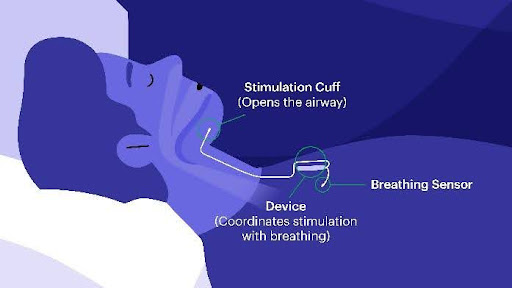
The system delivers mild stimulation to the hypoglossal nerve which controls the movement of the tongue and other key airway muscles. By stimulating these muscles, the airway remains open during sleep.
Inspire is inserted under the skin in an outpatient procedure that takes two to three hours. Most patients go home the same day.
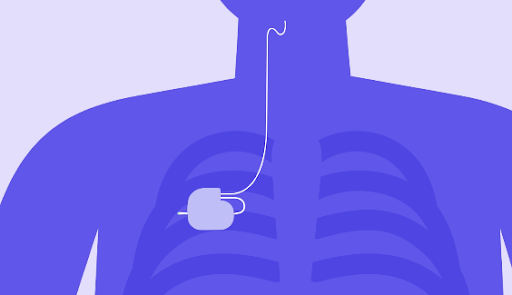
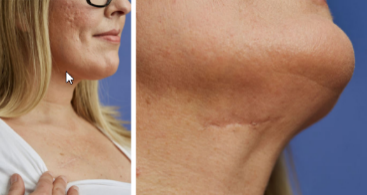
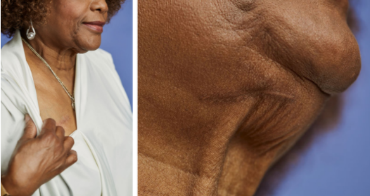
The procedure consists of 2 incisions: 1 in the upper right chest where a small device is placed; and 1 just under your chin where the hypoglossal nerve is located.

Inspire therapy has been demonstrated to significantly reduce the severity of obstructive sleep apnea (OSA). Proper treatment may lead to an increase in the ability to perform daily tasks and a decrease in risks associated with untreated OSA: accidents (e.g., motor vehicle accidents), hypertension, stroke, diabetes, vascular disease, heart failure, and early mortality.
Component manipulation: Do not manipulate (move) or rub your stimulator or leads through your skin. This could lead to dislodgement, damage to the components, skin damage or unintended stimulation.
Scuba diving or hyperbaric chambers: Do not dive below 30 meters (100 feet) of water or enter hyperbaric chambers above 4.0 atmospheres absolute.
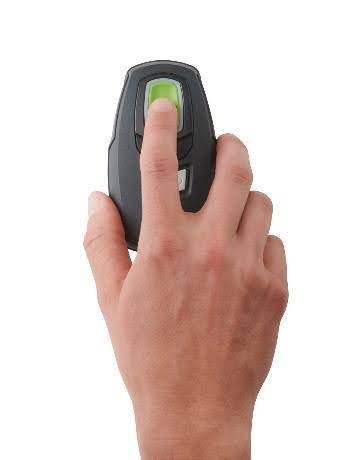
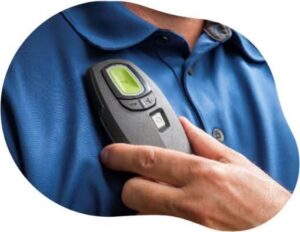
Inspire works inside your body with your natural breathing process to treat obstructive sleep apnea. While you sleep, Inspire delivers mild stimulation to key airway muscles, allowing the airway to remain open. The Inspire system is controlled by a small handheld sleep remote. You turn Inspire on before bed and off in the morning when you wake up.
Inspire is reimbursed by most major insurance providers, either as a covered policy or approved on an individual basis. Your doctor and the insurance team at Inspire will work with you for approval.
You should feel a mild sensation from the stimulation when the therapy is turned on. Typically, patients feel a tingling sensation or mild contraction in their tongue muscles. Then stimulation is delayed for a period of time while you fall asleep. After this start delay, stimulation resumes. The stimulation is gentle and designed to move the tongue forward without disturbing your sleep.

You should expect some pain and swelling at the incision sites for a few days after the implant. Based on your recovery, you may be able to go home the same day you have the surgery, or your doctor may want to keep you overnight.
Within a few days following the procedure, you should be able to return to normal nonstrenuous activities. You should avoid strenuous activities for about two weeks, or as directed by your doctor. A week after surgery, your doctor will examine you to make sure you are healing properly.

It is possible to safely remove Inspire through a surgical procedure when medically necessary. However, this is rare and not recommended in most situations.
You will need at least one sleep study so your doctor can fine tune your therapy settings. Your doctor may need additional sleep studies to monitor and adjust your therapy settings.
Your doctor can print out a usage record of Inspire to show the medical examiner that you are using your prescribed sleep apnea treatment. By proving compliance, there should be no issues renewing your commercial driver's license.

The battery in Inspire is designed to last for approximately 11 years. Once it is running low, it is replaced during a short outpatient procedure.
The first 4 to 6 weeks after the procedure the system remains off to allow you to heal. You’ll then have an appointment to have the system programmed with initial settings, receive the remote for your device and learn how to use it.
You will then begin using Inspire every night, slowly increasing the amplitude until you reach the point where you are having comfortable restful sleep.
After you've gotten used to using the device at home for about 12 weeks, you will have an overnight sleep study. At that time, the technician will observe your sleeping and fine-tune the device to the best possible way to treat your sleep apnea.
The visibility of the scars will depend on your skin tone and individual healing process. To the right, you can see examples from three patients.