Ear pressure often feels like fullness, clogging, or a need to pop your ears. It may happen temporarily with allergies, sinus congestion, a cold, or changes in altitude.
But when ear pressure will not go away, keeps returning, or begins affecting your hearing or balance, it may be time to have the cause evaluated.
Why Won’t My Ear Pressure Go Away?
Persistent ear pressure can have several possible causes. One of the most common is eustachian tube dysfunction, which occurs when the tubes that help regulate pressure between the middle ear and the back of the nose do not open properly.
Other possible causes include:
Sinus congestion
Seasonal or environmental allergies
Fluid behind the eardrum
Middle ear infections
Earwax buildup
Changes in air pressure
Jaw joint problems
Inner ear conditions
The sensation may feel similar even when the underlying cause is different, which is why persistent pressure sometimes requires an examination.
How Long Should Ear Pressure Last?
Temporary ear pressure caused by flying, elevation changes, or a mild cold may improve once the pressure equalizes or the congestion clears.
If the pressure lasts for several days, repeatedly returns, becomes painful, or does not improve as your other symptoms get better, an ENT evaluation may help determine what is causing it.
When Should I See an ENT for Ear Pressure?
Consider seeing an ENT if your ear pressure is persistent or accompanied by other symptoms such as:
Hearing loss or noticeable changes in hearing
Persistent or worsening ear pain
Ringing or other sounds in the ear
Dizziness or balance problems
Repeated ear infections
Fluid or drainage from the ear
A feeling that your ears remain clogged despite home measures
Pressure that repeatedly returns without an obvious reason
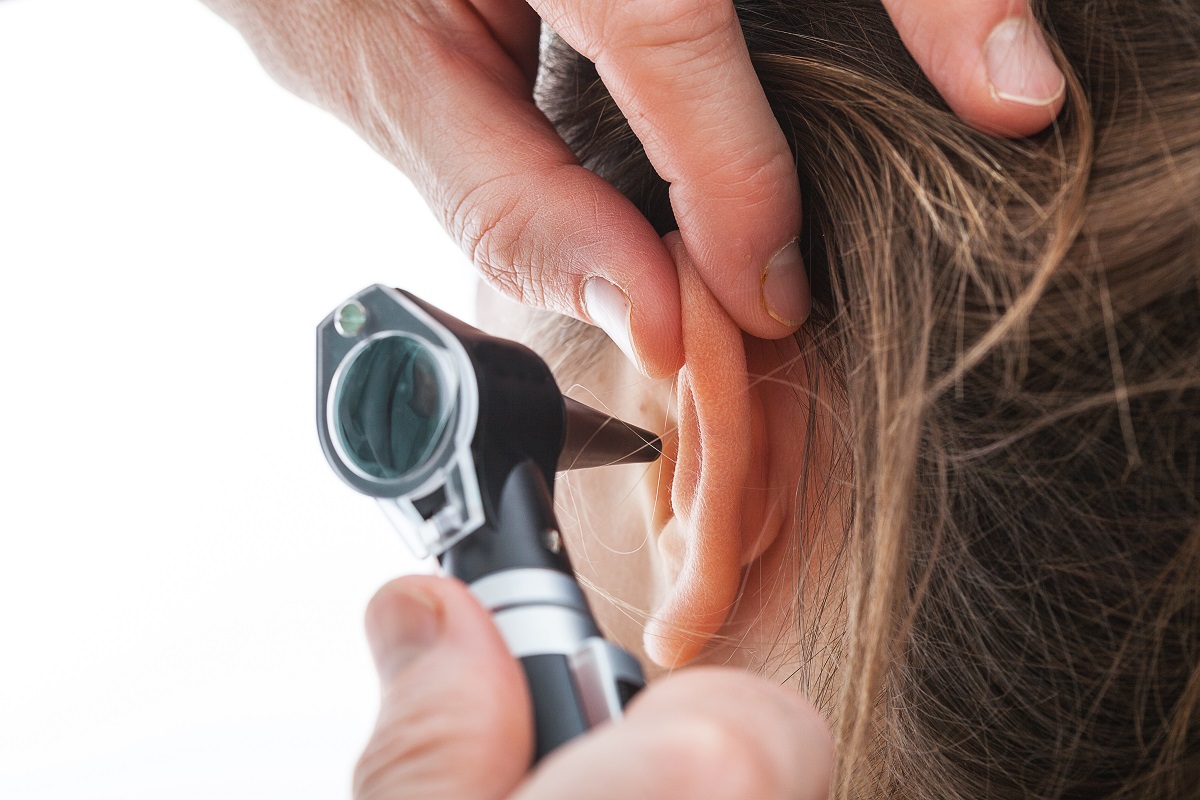
An ENT can examine the ear canal and eardrum, evaluate middle ear pressure, and determine whether the symptoms may be related to the ears, sinuses, allergies, jaw, or another condition.
Can Eustachian Tube Dysfunction Cause Constant Ear Pressure?
Yes. Eustachian tube dysfunction is a common reason people experience pressure, fullness, popping, or muffled hearing.
The eustachian tubes normally open when you swallow or yawn to help equalize pressure. Allergies, sinus inflammation, respiratory infections, and other conditions can interfere with how well those tubes function.
If this problem continues, an ENT can determine whether eustachian tube dysfunction is contributing to your symptoms and discuss appropriate treatment options.
Can Sinus Problems Cause Ongoing Ear Pressure?
The ears, nose, and throat are closely connected. Swelling and congestion around the back of the nose can affect the openings of the eustachian tubes and create a sensation of pressure or fullness in the ears.
If your ear pressure happens along with nasal congestion, facial pressure, allergies, or recurring sinus problems, treating the underlying nasal or sinus condition may also help the ear symptoms.
Less commonly, persistent ear pressure may be associated with conditions involving the middle ear, inner ear, or nearby structures.
Ménière’s Disease
Ménière’s disease is an inner ear disorder that can cause episodes of vertigo, hearing changes, tinnitus, and a feeling of pressure or fullness in one ear.
Cholesteatoma
A cholesteatoma is an abnormal growth of skin cells behind the eardrum. It can sometimes cause hearing loss, drainage, recurring infections, or a feeling of pressure.
Jaw Joint Problems
Problems involving the temporomandibular joint, commonly called the TMJ, can sometimes create sensations of pressure or discomfort around the ear because the joint is located very close to the ear canal.
These conditions are not the most common causes of ear pressure, but persistent symptoms are one reason an examination can be useful.
When Is Ear Pressure an Emergency?
Some ear symptoms should be evaluated promptly rather than waiting for a routine appointment.
Seek prompt medical attention if ear pressure is accompanied by:
Sudden hearing loss
Severe or rapidly worsening pain
Significant dizziness or loss of balance
Facial weakness
Blood or significant drainage from the ear
Recent significant head or ear trauma
A foreign object that cannot be safely removed
Sudden hearing loss in particular should be evaluated promptly.
Get Help With Persistent Ear Pressure in McAllen, TX
If your ear pressure will not go away, keeps returning, or is affecting your hearing or daily comfort, Glatz Group can help determine what may be causing it.
The cause may involve the ear itself, eustachian tube dysfunction, allergies, sinus inflammation, or another condition, so the right treatment depends on identifying the underlying problem.
Glatz Group provides ENT care in McAllen for patients throughout the Rio Grande Valley.
Ready to feel better? Schedule your visit with Glatz Group today.
"*" indicates required fields
Glatz Guarantee
Dr. Glatz is committed to patient care and positive results. He will remain committed to solving your sinus issues. Specific guarantees depend on your insurance carrier.