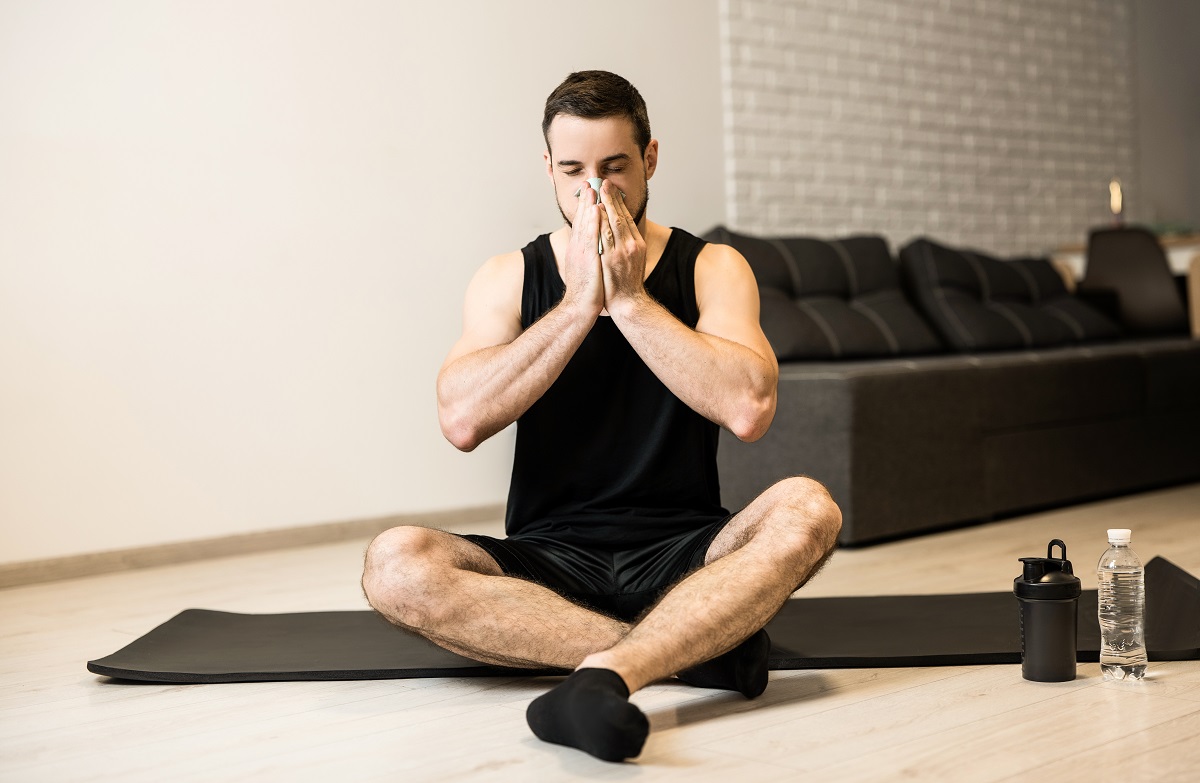
If you have a sinus infection, you may wonder whether exercise will help you feel better or make your symptoms worse.
The answer depends on how severe your symptoms are, whether you have a fever or significant fatigue, and how your body responds to activity.
Mild activity may be reasonable for some people with minor nasal congestion or other symptoms above the neck, but rest is usually more appropriate when symptoms are more severe.
Can You Exercise With a Sinus Infection?
Light exercise may be acceptable for some people who have mild symptoms such as nasal congestion, a runny nose, sneezing, or a minor sore throat and who do not have a fever.
If you decide to exercise, reduce the intensity and duration of your normal workout and pay attention to how you feel.
You should generally avoid exercise if you have symptoms such as:
- Fever
- Significant fatigue
- Widespread muscle aches
- Chest congestion
- A persistent or severe cough
- Dizziness
- Shortness of breath
If your body is telling you to rest, taking time off from exercise is unlikely to hurt your fitness and may make recovery more comfortable.
Can Exercise Make Sinus Pressure Feel Worse?
Sinusitis can cause inflammation, congestion, facial pressure, and headaches. These symptoms may become more noticeable when you bend over, move your head quickly, or perform strenuous activity.
If exercise increases facial pressure, headache, dizziness, or congestion, stop and allow your body to recover.
Why Do I Get a Headache When I Exercise?
Not every headache during exercise is a sinus headache.
Exercise itself can trigger a type of headache known as an exertion or exercise headache. These headaches occur during or after physical activity and may be related to changes in blood flow and pressure during exertion.
Sinus infections can also cause facial pain or headache, particularly around the forehead, cheeks, eyes, or bridge of the nose.
Because several types of headache can occur during exercise, recurring or severe exercise related headaches should not automatically be assumed to come from the sinuses.
What Does a Sinus Headache Feel Like?
A true sinus related headache usually occurs along with other symptoms of sinusitis.
These may include:
- Nasal congestion
- Thick nasal drainage
- Facial pressure or tenderness
- Post nasal drip
- Reduced sense of smell
- Fever in some cases
- Pressure that becomes more noticeable when bending forward
Many headaches that people call sinus headaches are actually caused by other headache disorders, so persistent or recurring headaches may need further evaluation.
How Should You Exercise With Mild Sinus Symptoms?
If your symptoms are mild and you feel well enough to be active, keep the workout easier than usual.
Start With Light Activity
Walking, gentle cycling, stretching, or another low intensity activity may be more comfortable than a strenuous workout.
Warm Up Gradually
A gradual warm up can help your body adjust to activity and may reduce the likelihood of an exercise related headache.
Stay Hydrated
Drink enough fluids throughout the day, particularly if congestion, fever, or illness has reduced your normal fluid intake.
Pay Attention to Your Symptoms
Stop exercising if you develop worsening facial pressure, significant headache, dizziness, shortness of breath, chest symptoms, or unusual fatigue.
When Should You Skip Your Workout?
Rest instead of exercising if you have a fever, significant fatigue, body aches, chest congestion, or symptoms that make normal daily activity difficult.
You should also avoid exercising around other people when you may have a contagious respiratory illness.
How Can You Relieve Sinus Pressure?
If congestion or sinus pressure is making exercise uncomfortable, simple measures may help while your symptoms improve.
Depending on the cause, options may include:
- Staying hydrated
- Using saline nasal spray or a nasal rinse
- Using a clean humidifier if the air is dry
- Resting with your head slightly elevated
- Avoiding tobacco smoke and other nasal irritants
- Following your doctor's recommendations for allergy or sinus treatment
When Should You See an ENT?
Many acute sinus symptoms improve on their own, but an ENT evaluation may be appropriate when symptoms persist, repeatedly return, or become more severe.
Consider seeing an ENT if you experience:
- Sinus symptoms that continue longer than expected
- Symptoms that improve and then become worse again
- Recurring sinus infections
- Persistent facial pressure
- Difficulty breathing through your nose
- Reduced sense of smell
- Headaches that repeatedly occur during exercise
Seek prompt medical attention for a sudden severe headache, a first severe exercise headache, vision changes, confusion, neck stiffness, or other concerning neurological symptoms.
Get Help With Sinus Problems in McAllen, TX
If sinus pressure, congestion, or recurring infections are interfering with exercise or daily life, Glatz Group can help determine what may be causing your symptoms.
Glatz Group provides sinus care in McAllen for patients throughout the Rio Grande Valley.
Get Answers About Your Sinus Symptoms
Book an Appointment