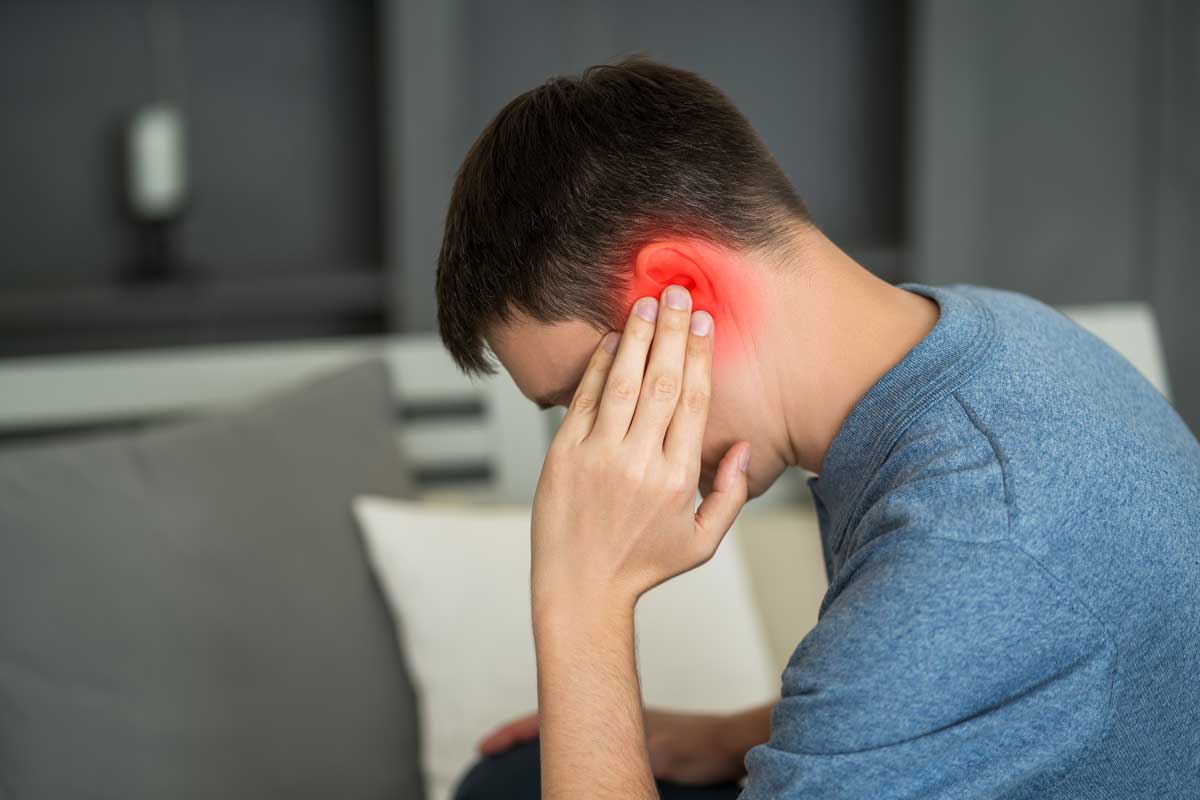
Ear pressure can make one or both ears feel clogged, full, or uncomfortable. It often happens when pressure is not equalizing properly through the eustachian tubes, which connect the middle ears to the back of the nose and throat.
Sinus congestion, allergies, colds, infections, and changes in air pressure can all contribute to that blocked feeling. Depending on the cause, there are several ways to relieve ear pressure at home, while persistent or severe symptoms may need evaluation by an ENT.
Why Does Ear Pressure Build Up?
Ear pressure commonly develops when the eustachian tube becomes blocked or does not open properly. When that happens, pressure and fluid can build up behind the eardrum.
Common causes of ear pressure include:
- Sinus congestion
- Seasonal or environmental allergies
- Colds and other upper respiratory infections
- Middle ear infections
- Changes in altitude during flying or driving
- Earwax buildup
- Eustachian tube dysfunction
The best way to relieve ear pressure depends on the underlying cause, which is why persistent or recurring symptoms may need an ENT evaluation.
How to Relieve Sinus Pressure in Your Ears at Home
If your ear pressure is related to sinus congestion, allergies, or a cold, reducing inflammation and helping the eustachian tubes open may provide relief.
Sinus Congestion and Allergies
When congestion affects the nose and sinuses, it can also interfere with the eustachian tubes and create pressure in the ears.
Some options that may help include:
- Drink plenty of water to help keep mucus thin
- Use a humidifier, especially when the air is dry
- Try a saline nasal spray or nasal rinse
- Blow your nose gently rather than forcefully
- Avoid tobacco smoke and other nasal irritants
- Manage allergies with medications recommended by your doctor or used according to the product instructions
Swallowing, yawning, or chewing gum can also help the eustachian tubes open and equalize pressure.
Pressure From Flying or Changes in Altitude
Changes in elevation can cause temporary pressure differences between the middle ear and the outside environment.
Swallowing, yawning, chewing gum, or sipping water can encourage the eustachian tubes to open and help equalize the pressure.
Earwax Buildup
A buildup of earwax can sometimes create a feeling of fullness or pressure in the ear. Over the counter earwax softening drops may help in some cases.
Do not place cotton swabs, tools, or other objects into the ear canal. These can push wax deeper into the ear or injure the ear canal or eardrum.
If you have ear tubes, a known or suspected eardrum perforation, previous ear surgery, significant ear pain, or drainage from the ear, speak with a medical professional before using ear drops or attempting to flush the ear.
When Should You See an ENT for Ear Pressure?
Ear pressure that lasts for several days, keeps returning, or continues to get worse should be evaluated. You should also consider seeing an ENT if pressure is accompanied by:
- Hearing loss or a noticeable change in hearing
- Significant ear pain
- Persistent ringing in the ear
- Dizziness or balance problems
- Fluid, blood, or drainage from the ear
- Repeated ear infections
- Fever or other signs of infection
Sudden hearing loss should be evaluated promptly.
Treating Ear Pressure at the Doctor’s Office
If ear pressure does not improve with conservative treatment, an ENT can examine the ear and determine whether the problem is related to congestion, fluid, infection, earwax, eustachian tube dysfunction, or another condition.
Treatment depends on the underlying cause. In some cases, medication or treatment of a sinus or allergy condition may be enough. When persistent middle ear fluid is present, additional procedures may be considered.
Myringotomy
A myringotomy is a procedure in which a small opening is made in the eardrum to allow trapped fluid in the middle ear to drain. It may be considered in certain cases involving persistent fluid or pressure.
Ear Tubes
Tympanostomy tubes, commonly called ear tubes, are small tubes placed in the eardrum to help ventilate the middle ear and reduce repeated fluid buildup. They are used only when appropriate for the underlying condition.
Get Help With Ear Pressure in McAllen, TX
If your ear pressure will not go away, keeps returning, or is affecting your hearing or comfort, Glatz Group can help determine what is causing it.
Ear pressure may be related to the ears, sinuses, allergies, or eustachian tubes. Identifying the cause is an important step toward finding the right treatment.
Glatz Group provides ENT care in McAllen for patients throughout the Rio Grande Valley.
Get Answers About Your Ear Pressure
Book an Appointment