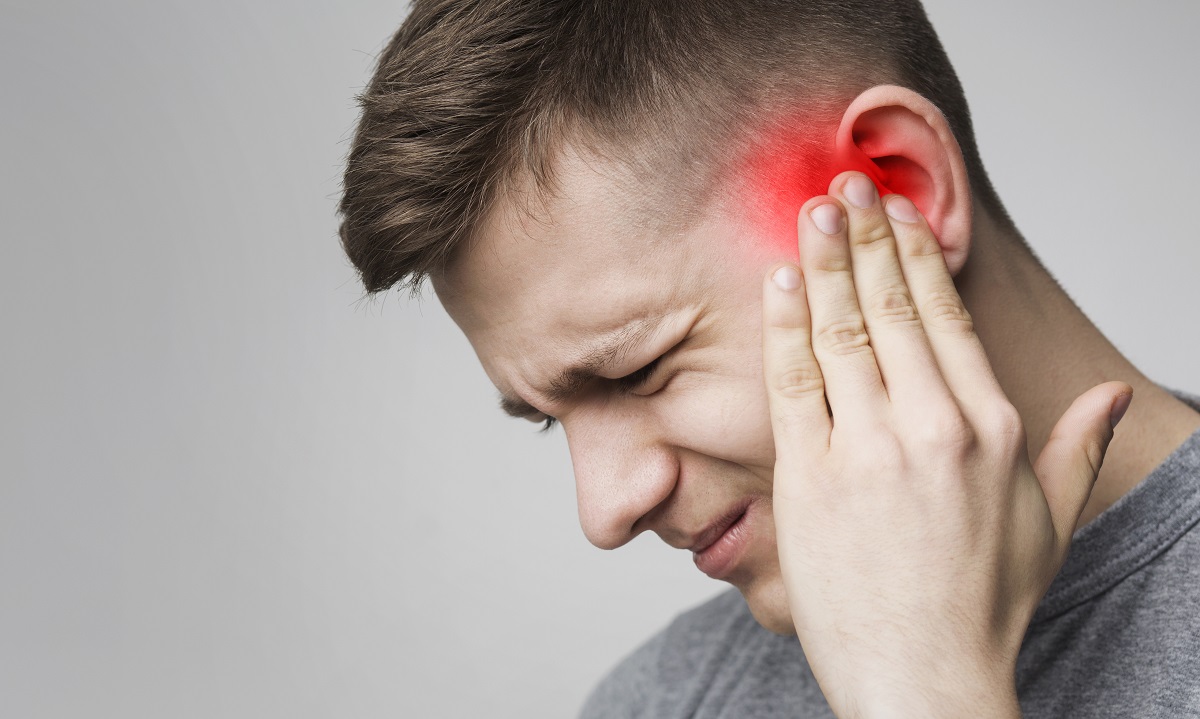
Ear pressure can make your ears feel clogged, full, muffled, or uncomfortable. It can happen with sinus congestion, allergies, colds, changes in altitude, or problems with the eustachian tubes that help regulate pressure in the middle ear.
Many mild cases of ear pressure improve on their own or with simple measures at home. The right approach depends on what is causing the pressure, and persistent or painful symptoms should be evaluated by an ENT.
Why Do My Ears Feel Clogged or Full?
The eustachian tubes connect the middle ears to the back of the nose and throat. They normally open when you swallow, yawn, or chew to help equalize pressure.
When these tubes become swollen or do not open properly, pressure can build up behind the eardrum.
Common causes of ear pressure include:
- Sinus congestion
- Seasonal or environmental allergies
- Colds and other respiratory infections
- Changes in altitude
- Flying
- Middle ear fluid
- Earwax buildup
- Eustachian tube dysfunction
How Can I Relieve Ear Pressure at Home?
If the pressure is mild and related to congestion, allergies, or a temporary change in air pressure, several simple measures may help.
Swallow, Yawn, or Chew Gum
Swallowing and yawning naturally encourage the eustachian tubes to open. Chewing gum or slowly sipping water may also help your ears equalize pressure.
Use Saline Nasal Spray or a Nasal Rinse
If nasal or sinus congestion is contributing to your symptoms, saline may help keep the nasal passages moist and remove mucus and irritants.
If you use a nasal rinse, follow the product instructions and use water that is appropriate for nasal irrigation.
Stay Hydrated
Drinking enough water can help keep mucus thinner and may make congestion easier to manage.
Use a Humidifier
Dry air can irritate the nose and throat. A clean humidifier may make breathing more comfortable when dry air is contributing to nasal irritation or congestion.
Blow Your Nose Gently
If your nose is congested, gently clearing mucus may help. Avoid forceful nose blowing because excessive pressure can make ear discomfort worse.
Avoid Smoke and Other Irritants
Tobacco smoke, vaping aerosols, strong fragrances, and other airborne irritants can contribute to nasal inflammation and congestion.
Reducing exposure may help if irritation is contributing to your ear pressure.
How Do You Relieve Ear Pressure When Flying?
Air pressure changes during takeoff and landing can temporarily make the ears feel blocked or painful.
To help equalize pressure, try:
- Swallowing frequently
- Yawning
- Chewing gum
- Sipping water
- Staying awake during takeoff and landing so you can actively equalize pressure
If you frequently experience significant ear pain while flying, an ENT can determine whether eustachian tube dysfunction or another condition is contributing.
What If Earwax Is Causing the Pressure?
Earwax can sometimes create a feeling of fullness, muffled hearing, or pressure when it becomes impacted.
Do not place cotton swabs, tools, or other objects into the ear canal. These can push wax farther into the ear or injure the ear canal or eardrum.
Over the counter earwax softening products may be appropriate for some people, but they should not be used without medical guidance if you have:
- Ear tubes
- A known or suspected eardrum perforation
- Previous ear surgery
- Significant ear pain
- Drainage or bleeding from the ear
If you are unsure whether earwax is causing the problem, an ENT can examine the ear safely.
What Should You Avoid Doing at Home?
Trying to force the ear to open or putting substances into the ear without knowing the cause can sometimes make the problem worse.
Avoid:
- Putting cotton swabs or objects into the ear canal
- Trying to remove a foreign object yourself
- Forcefully blowing your nose
- Repeatedly forcing your ears to pop if it causes pain
- Using ear drops when you have drainage, bleeding, tubes, or a possible eardrum injury without medical guidance
How Long Should Ear Pressure Last?
Temporary pressure caused by flying, altitude changes, or mild congestion may improve once the pressure equalizes or the underlying congestion clears.
If the pressure lasts for several days, keeps returning, becomes painful, or affects your hearing, it may need further evaluation.
If your symptoms are not improving, read more about when persistent ear pressure should be evaluated by an ENT.
When Should You See an ENT?
Home measures are most appropriate for mild and temporary symptoms. Consider seeing an ENT if ear pressure is accompanied by:
- Persistent or worsening pain
- Hearing loss or muffled hearing that does not improve
- Dizziness or balance problems
- Repeated ear infections
- Fluid or drainage from the ear
- Ringing in the ear
- Symptoms that repeatedly return
- Pressure that does not improve as your congestion clears
Sudden hearing loss should be evaluated promptly.
Get Help With Ear Pressure in McAllen, TX
If home remedies are not relieving your ear pressure, Glatz Group can help determine whether the problem is related to the ears, eustachian tubes, allergies, sinus congestion, or another condition.
Glatz Group provides ENT care in McAllen for patients throughout the Rio Grande Valley.
For a more complete overview of sinus related ear pressure, read our guide on how to relieve sinus pressure in your ears.
Get Relief From Persistent Ear Pressure
Book an Appointment